The most common answer we hear when we ask parents when they first brought their child to the dentist: "around 3 or 4." And while that's better than never, it's later than ideal. The recommendation from dental associations — and our own clinical experience — is by age 1, or within 6 months of the first tooth erupting.
That probably seems very early. Here's why it matters.
The Answer: Earlier Than You Think
The first tooth typically erupts around 6 months of age. By this point, the conditions for early childhood caries (baby tooth decay) already exist — bacteria transferred from parents through shared utensils, pacifiers, or kisses can colonise an infant's mouth before the first tooth even appears.
Early childhood caries is the most common chronic childhood disease. It's largely preventable — but only if we start the conversation early.
What Happens at a First Visit
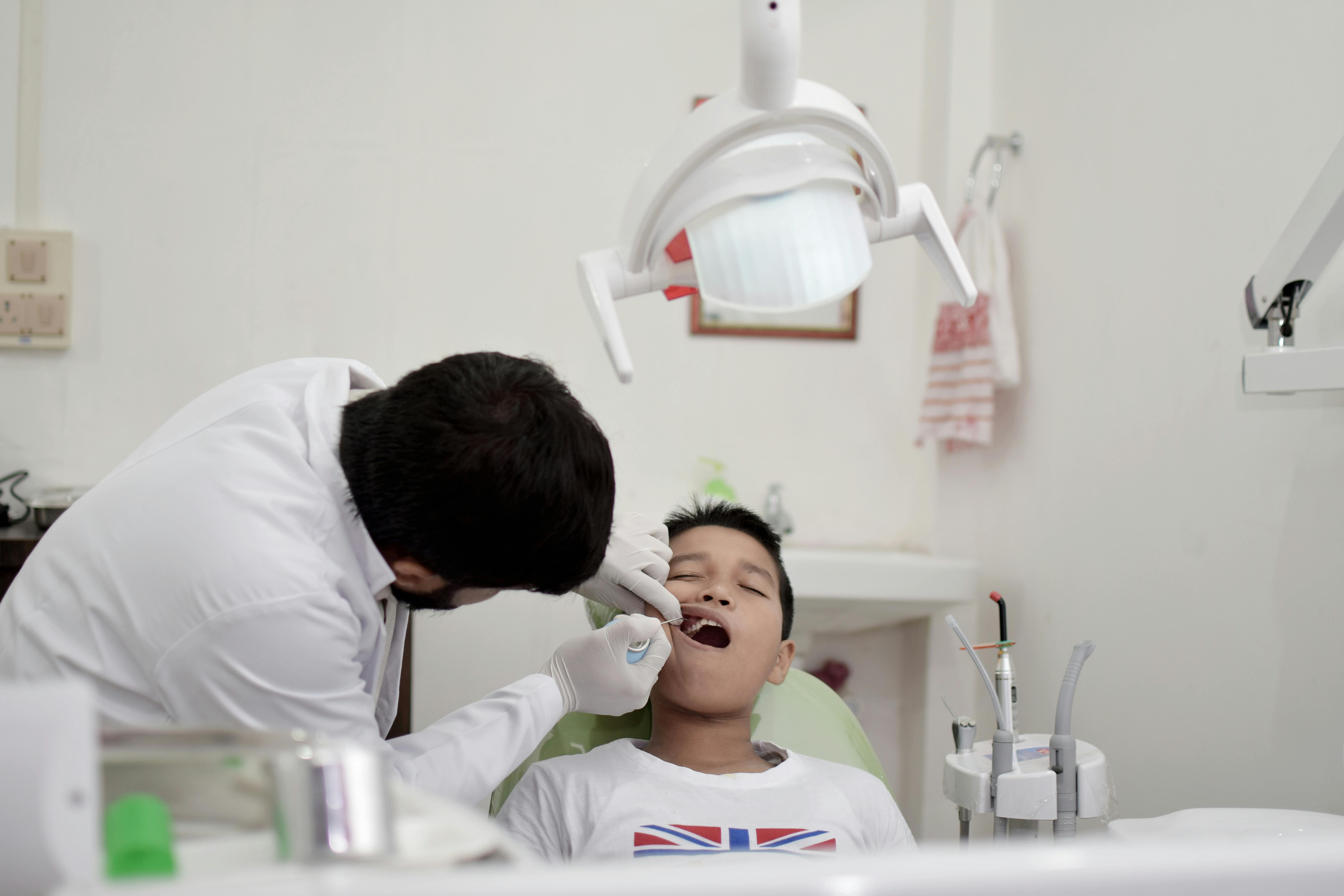
A first visit for a very young child is nothing to fear. The appointment is brief, gentle, and primarily about assessment and education:
- A gentle examination of emerging teeth and gum tissue
- Assessment of oral development and bite
- Discussion of feeding habits, pacifier use, and oral hygiene
- Guidance for parents on cleaning baby teeth
- Fluoride varnish application if appropriate
For very young children, the appointment is more about building a positive association with the dental environment than performing complex treatment. We go at the child's pace, always.
We make every child's appointment positive, low-stress, and age-appropriate. We've built relationships with hundreds of families in Calgary — starting from before their children had a full set of teeth.
Why Early Visits Matter
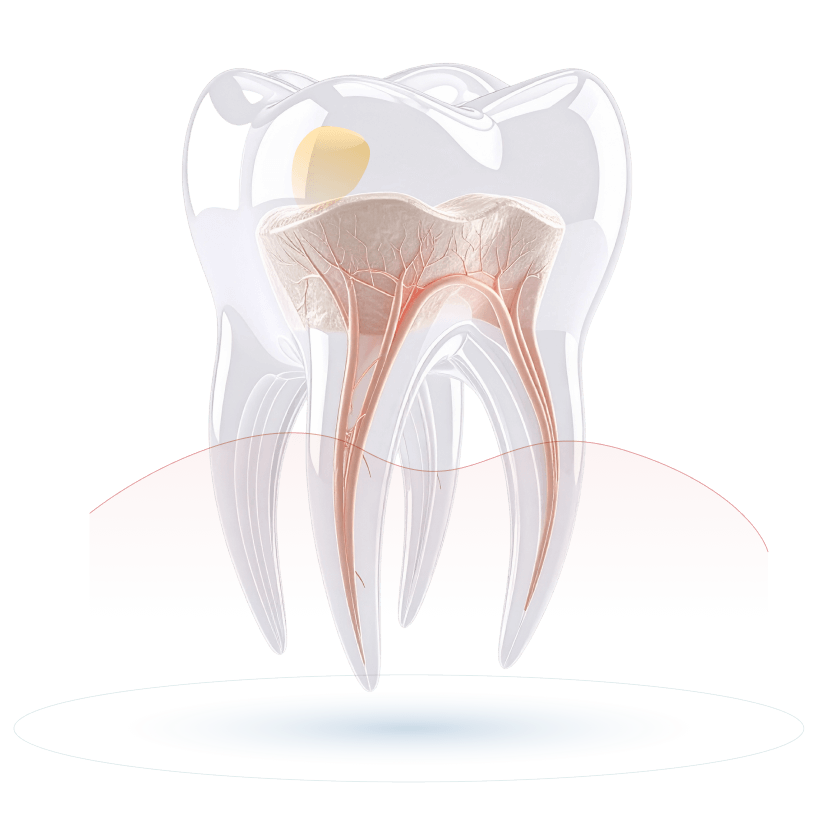
Baby teeth matter. They hold space for adult teeth, help with speech development, and are crucial for chewing and nutrition. Untreated decay in baby teeth causes pain, infection, and can affect the development of permanent teeth underneath.
CDCP Covers Children
Children under 18 are eligible for the Canadian Dental Care Plan, provided the household meets the income and insurance requirements. CDCP covers exams, X-rays, cleanings, fluoride treatments, sealants, fillings, and extractions. We verify your child's coverage when you book.
Making It Positive
The attitude children develop toward dentistry in their early visits shapes their behaviour for life. A child who has consistently positive dental experiences grows into an adult who attends regularly and doesn't avoid care. We invest in that relationship from the very first visit.
Tips for parents: avoid using words like "hurt," "needle," or "drill" before appointments. Let us introduce the tools and equipment in our own way. Bring a favourite toy or comfort object. And arrive a few minutes early so the child has time to get comfortable in the environment before we begin.