A completely knocked-out tooth — called an avulsed tooth — is one of the true dental emergencies where minutes genuinely matter. The chance of successfully reimplanting a tooth drops dramatically after 30 minutes out of the socket. After 60 minutes, the cells on the root surface that enable reimplantation begin to die in large numbers.
This isn't a "book an appointment this week" situation. It's a call us right now and come straight in situation.
Call 587-330-3000 the moment the injury occurs. We'll guide you through exactly what to do on the phone while you're on your way to us.
The Clock Is Running
The surface of a tooth root is covered in periodontal ligament cells — the living tissue that anchors the tooth to the jawbone. When a tooth is knocked out, these cells begin to dry out and die almost immediately if exposed to air. Without viable cells on the root surface, the body cannot reattach the tooth to the bone.
Step-by-Step: What to Do
1. Pick up the tooth correctly
Hold the tooth by the crown only — the white part you normally see in the mouth. Never touch the root. The root surface contains the periodontal ligament cells that are essential for reimplantation, and handling them damages those cells.
2. Rinse gently if dirty
If the tooth has dirt on it, rinse briefly with milk or saline solution. Do not use tap water, do not scrub, and do not use soap. A gentle 10-second rinse is all that's needed.
3. Try to reinsert it immediately
The best storage medium for a knocked-out tooth is its own socket. Gently position the tooth back into the socket in the correct orientation and bite down gently on a clean cloth or gauze to hold it in place. This sounds intimidating but it's the single best thing you can do for reimplantation success.
4. If reinsertion isn't possible — store it correctly
If reinsertion isn't possible (the patient is very young, unconscious, or too distressed), the tooth must be kept moist and protected. In order of preference:
- Milk — the best readily available storage medium. The proteins and pH in milk keep root cells viable.
- Saline solution — contact lens saline works well.
- Between the cheek and gum — saliva keeps root cells alive. Only suitable for adults who can hold it safely without swallowing.
- Tap water — last resort only. The osmotic pressure of tap water damages root cells. Use it only if nothing else is available.
5. Call us and come straight in
Call 587-330-3000 immediately and drive directly to our clinic. Let us know on the phone that you have an avulsed tooth — we'll have everything ready when you arrive.
What NOT to Do
Do not scrub the root surface. Do not let the tooth dry out. Do not store in plain tap water if milk is available. Do not hold the tooth by the root. Do not try to force a dirty tooth back in without rinsing first.
What Happens at Our Clinic
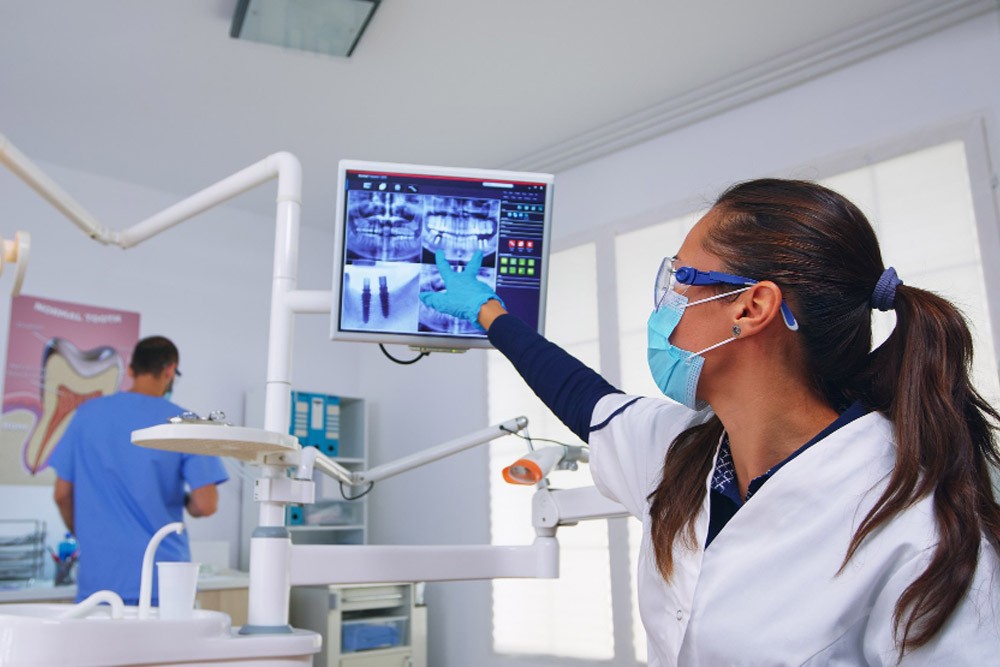
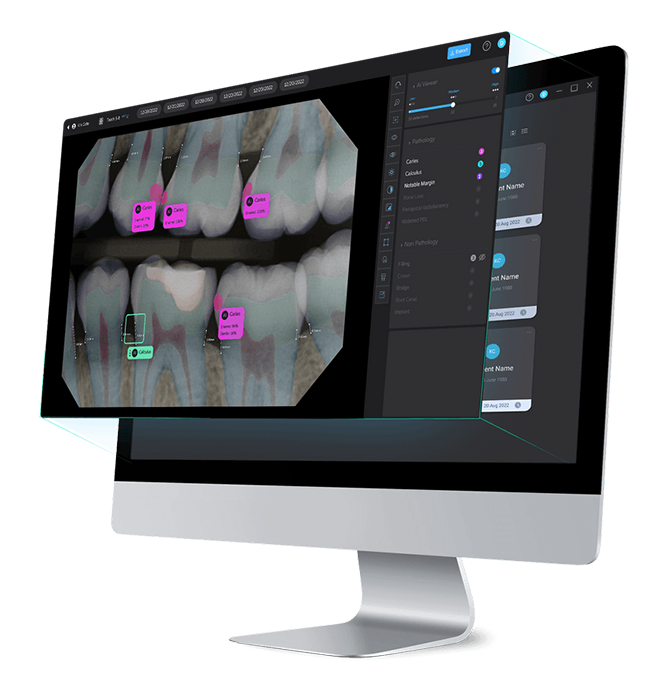
When you arrive, we'll take digital X-rays reviewed immediately with Pearl AI to assess the socket and surrounding bone. We'll clean and reimplant the tooth, splint it to adjacent teeth to hold it in place during healing, and prescribe antibiotics if indicated.
Reimplanted teeth require follow-up appointments over several months to monitor healing and root resorption. Not every reimplantation is successful long-term — but the faster you act, the dramatically better your odds.
Prevention: Custom Mouthguards
Most knocked-out teeth happen during contact sport. A custom-fitted mouthguard — made from an impression of your teeth — provides far superior protection to over-the-counter boil-and-bite guards. Ask us about sport guards at your next appointment.