A dental abscess is a bacterial infection — a pocket of pus that forms at the root of a tooth or between the gum and tooth. Unlike most dental problems that progress slowly, an untreated abscess can escalate quickly and, in rare but well-documented cases, become life-threatening.
This is one of the dental conditions where the instruction is simple: don't wait.
What Is a Dental Abscess?
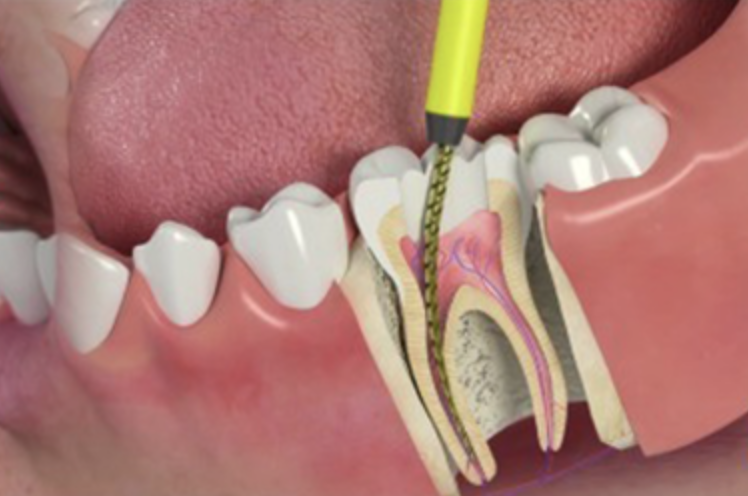
An abscess forms when bacteria enter the dental pulp — the soft inner tissue of a tooth — through untreated decay, a crack, or a failed restoration. The bacteria multiply and create an infection that the body attempts to wall off, forming a collection of pus.
There are two main types:
- Periapical abscess — forms at the tip of the tooth root, most commonly from untreated decay reaching the pulp
- Periodontal abscess — forms in the gum tissue beside a tooth root, often associated with gum disease
Symptoms to Watch For
- Severe, throbbing toothache — often described as relentless and worsening
- Sensitivity to hot and cold that persists after the stimulus is removed
- Pain when biting or chewing
- Fever
- Swelling of the face, cheek, or jaw
- Tender, swollen lymph nodes under the jaw or neck
- Sudden foul taste or rush of fluid in the mouth — may indicate the abscess has ruptured
You have swelling spreading to your neck, difficulty breathing or swallowing, difficulty opening your mouth, or a high fever with severe facial swelling. These are signs the infection may be spreading to the airway — call 911 or go to the nearest ER, then follow up with us for dental treatment.
Why It Can Become Life-Threatening
The danger of a dental abscess is not the abscess itself — it's the potential for the infection to spread. Dental infections can track along tissue planes into the neck, chest, and mediastinum (the space between the lungs). Ludwig's angina — a rapidly spreading infection of the floor of the mouth — is a medical emergency that can obstruct the airway.
Treatment at Our Clinic
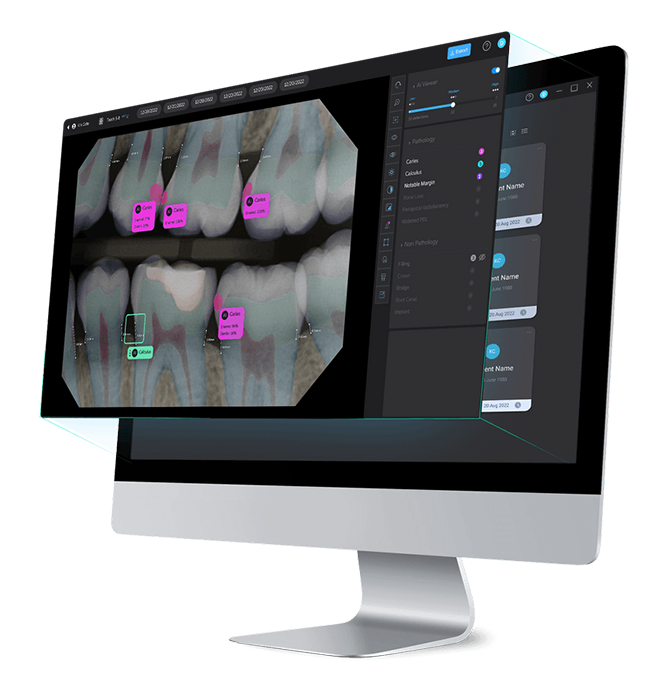
Pearl AI imaging gives us an immediate, precise picture of the infection — its location, size, and relationship to surrounding structures. Treatment depends on the severity:
- Root canal therapy — removes the infected pulp, drains the abscess, and saves the tooth
- Incision and drainage — the abscess is surgically drained to relieve pressure and eliminate the infection
- Extraction — if the tooth cannot be saved
- Antibiotics — prescribed where infection has spread beyond the immediate tooth area
Prevention
Most abscesses are preventable. Regular dental exams with AI-supported X-ray review catch decay before it reaches the pulp. Cavities treated early are simple fillings — left untreated, they become root canals. Left further, they become abscesses.