Root canal therapy has a reputation problem. For decades, it's been the punchline of dental anxiety — the procedure patients dread above all others. But that reputation is built on the dentistry of the 1970s, not 2026.
Modern root canal therapy, performed with AI-supported diagnostics and contemporary anaesthesia, is a procedure that most patients describe as entirely manageable — and many say it was no worse than getting a filling.
Where the Fear Comes From
Historically, root canals were painful for two reasons: inadequate anaesthesia and the absence of precision imaging. Dentists were often working blind, and controlling pain in the presence of an acute infection was genuinely difficult with older local anaesthetics.
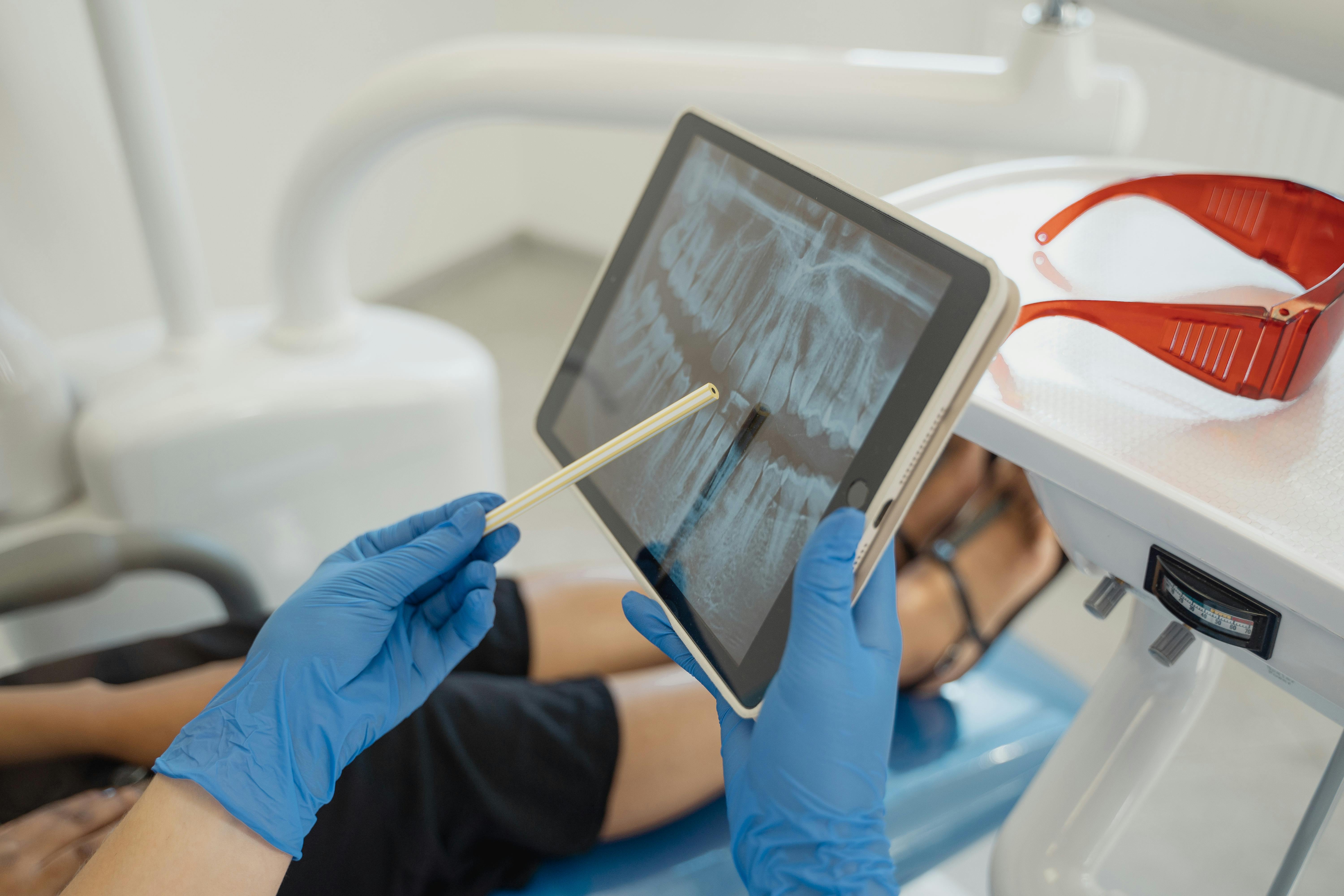
Both of those problems have been largely solved. Modern block anaesthesia reliably numbs infected tissue. Digital AI imaging maps the infection and root anatomy before the first instrument is placed. The comparison to historical root canals is like comparing a 1970s car to a modern one — the same name, an entirely different experience.
Modern RCT: What It Actually Involves
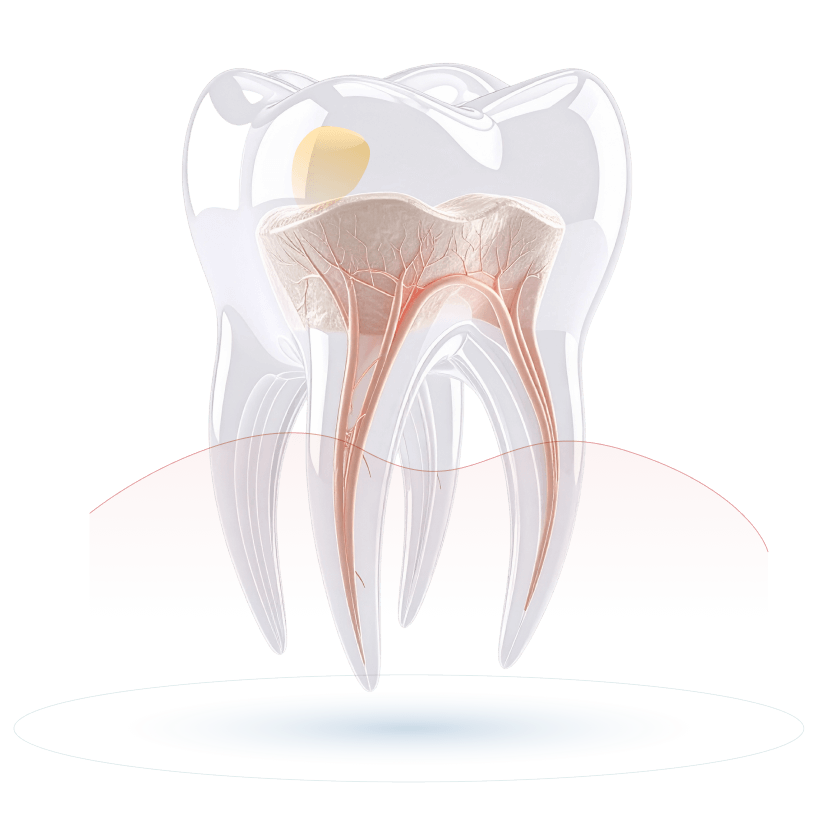
Root canal therapy removes the infected or inflamed pulp tissue from inside the tooth, cleans and shapes the root canals, and seals the space to prevent reinfection. The tooth is then restored — usually with a crown to protect it from fracture.
Save your natural tooth. Eliminate the infection. Relieve the pain. A root canal-treated tooth can last a lifetime with proper restoration and care.
How AI Makes It Better
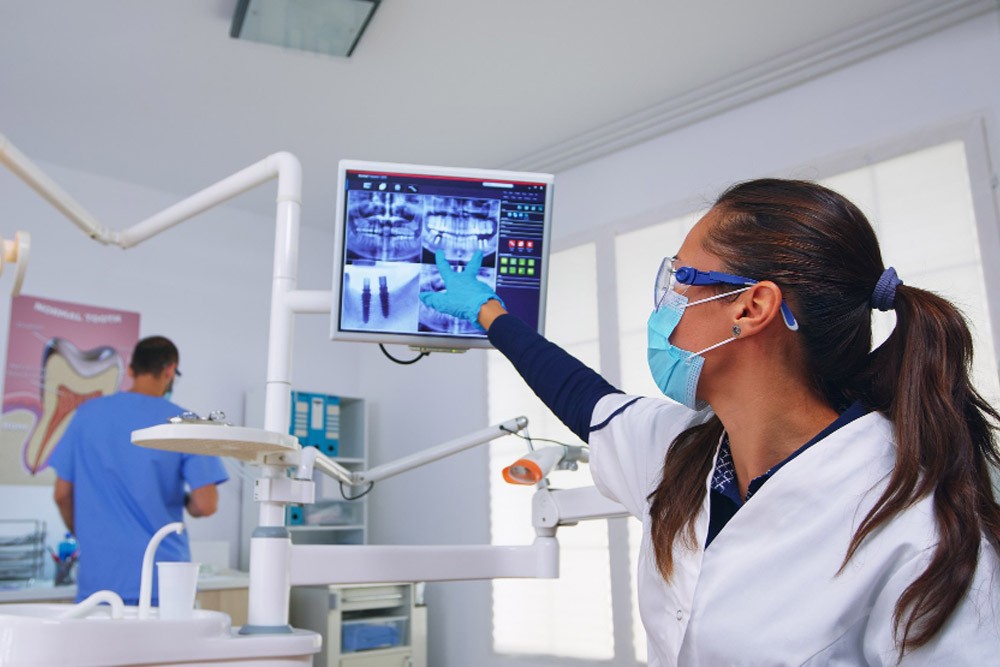
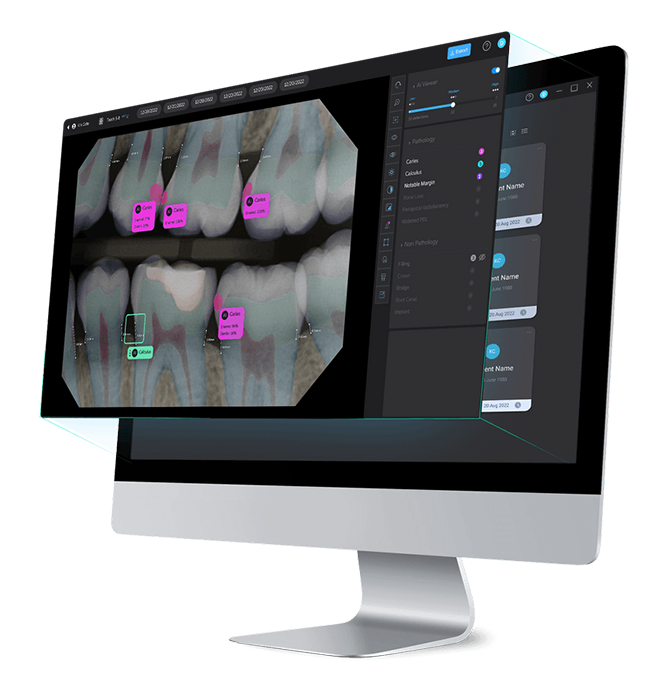
Pearl AI analyses your X-rays before treatment begins — mapping the exact location and extent of infection, identifying the number and curvature of root canals, and assessing the surrounding bone. This means your dentist starts with a complete picture of what they're working with, rather than discovering complexity partway through.
The result: faster treatment, fewer complications, and more predictable outcomes.
What to Expect
At your appointment, local anaesthetic is administered. You'll feel pressure throughout the procedure, but not pain — if you feel sharp pain, tell us immediately and we'll add more anaesthetic. The infected pulp is removed, the canals are cleaned, shaped, and irrigated, and the space is sealed. Most appointments take 60–90 minutes.
Mild soreness and tenderness for 2–3 days after is normal and managed with over-the-counter pain relief. Most patients return to normal activities the next day.
After Your Root Canal
A root canal-treated tooth must be protected with a crown, particularly if it's a back tooth. The tooth is hollow after treatment and susceptible to fracture under biting forces. We plan the crown at your initial consultation so there are no surprises about what the full treatment involves.
CDCP covers root canal therapy on anterior, premolar, and molar teeth. We verify your coverage before starting.